©engel.ac - stock.adobe.com
Travel to Spain travel
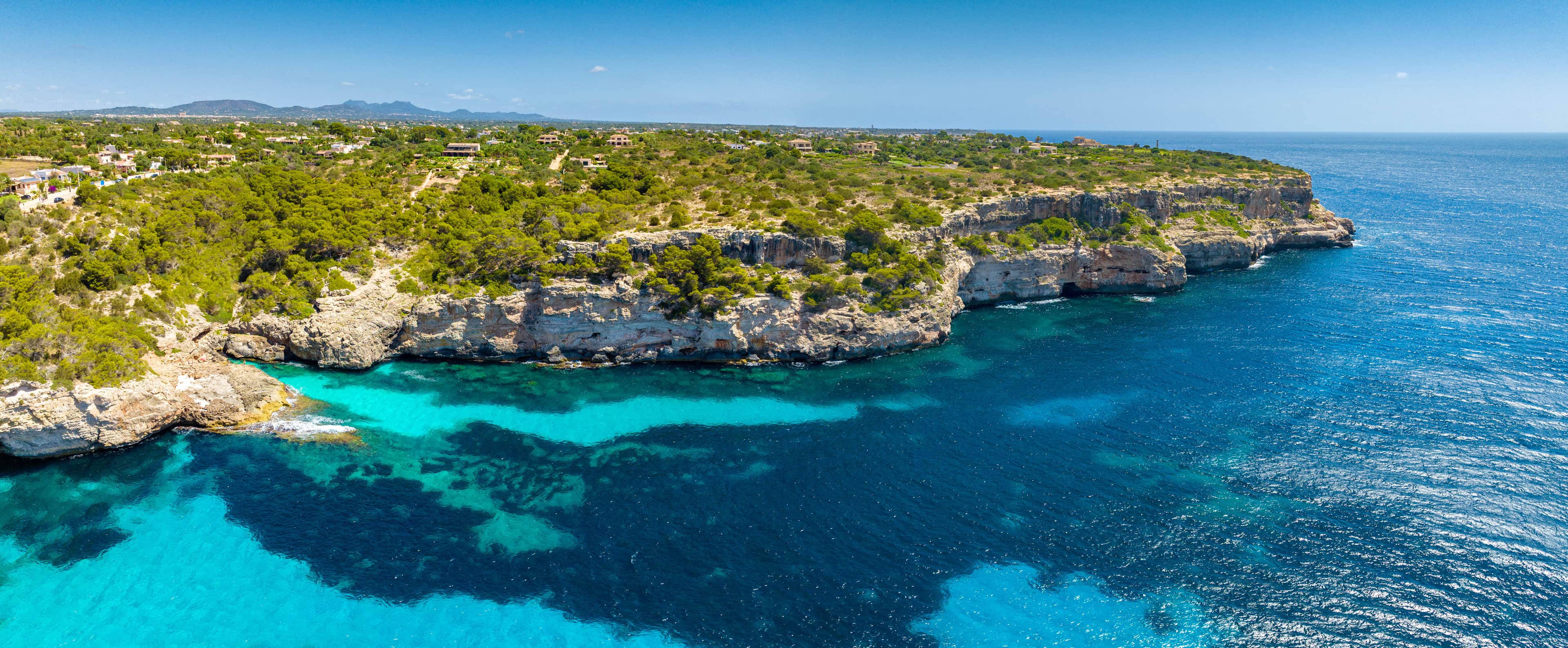
Spain truly does have it all, from the implausible countryside and beaches to world-famous cuisine and affluent history – not to cite amazing museums and outstanding architecture. The country brims with Moorish, Romanesque and Gothic architecture in addition to daring cultural elements like bullfighting and botellon street parties, an ingredient of why so many tourists continue to pick Spain for their holidays or as a place of habitation. Other plus sides of a trip to Spain include the sunny Mediterranean climate and tasty foods like paella. Regardless of your motivations to travel, Spain stands out as an alluring destination.
Diving in Spain
Spanish waters are filled with history, hiding buried shipwrecks and collapsed aeroplanes. Get the opportunity to know it. You’ll understand that these waters are thrilling and energetic, offering implausible cave dives, vast colours in huge gorgonian gardens and floors packed with bright green Posidonia seagrass. Almost bordered by the Atlantic Ocean, Mediterranean Sea and Cantabrian Sea, there are many choices offered to scuba divers visiting the shores of Spain and the Canary Islands. With its blend of warm and cold waters, the pure diversity of marine life is unparalleled. In addition, Spain has quite a large number of marine reserves which are situated around the Canary Islands.